Concrete Wall Scanner Explained: A UK Buyer's Guide
Drilling into concrete is where guesswork stops being inconvenient and starts becoming expensive. One missed cable can shut off power, damage a heating circuit or turn a straightforward fitting job into an emergency call-out. A reliable concrete wall scanner helps you check what is hidden behind the surface before the drill bit goes anywhere near it.
Key Takeaways
- A concrete wall scanner is designed to detect hidden objects such as live cables, metal, pipes and reinforcement within dense wall materials.
- For serious drilling jobs in UK homes and commercial properties, scanner performance in masonry and concrete matters far more than basic stud-finder functions alone.
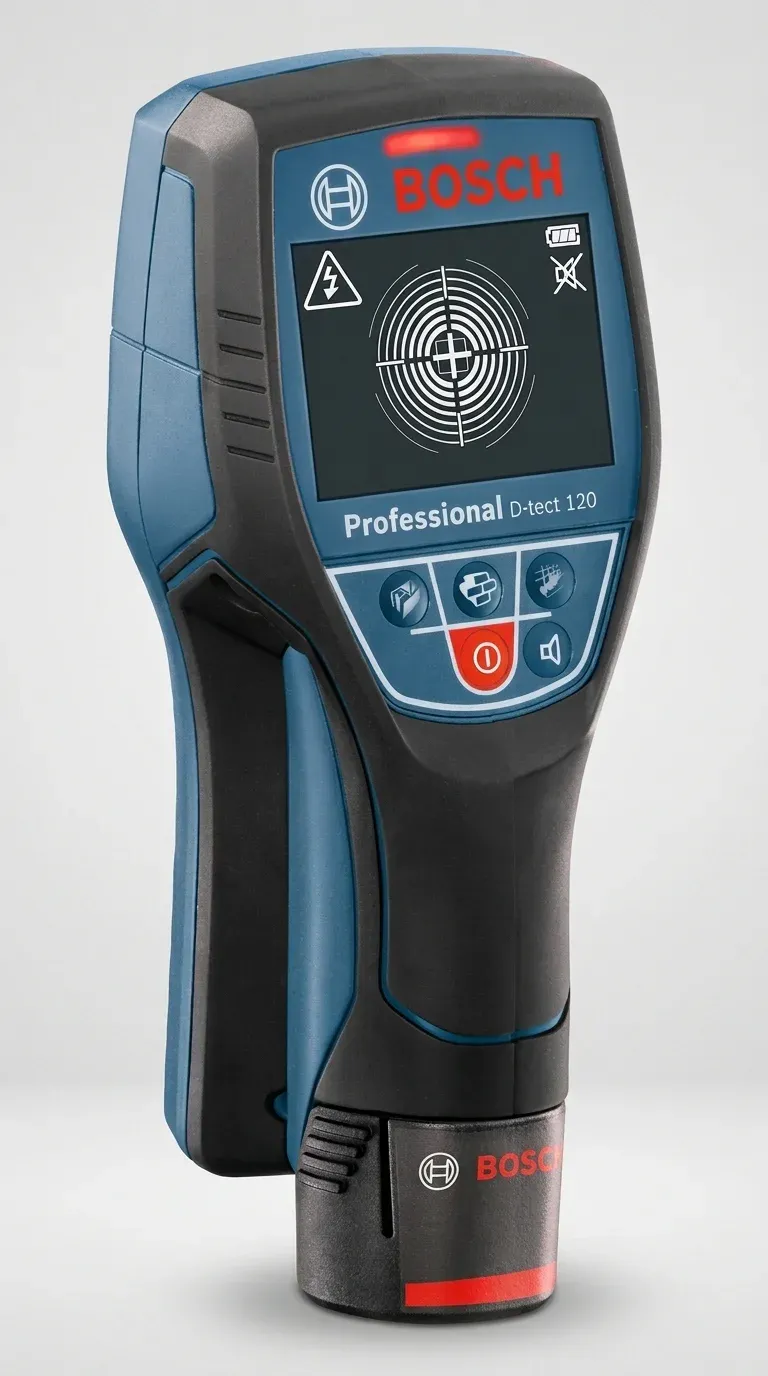
- Radar-based tools such as the Bosch D-tect 120 are well suited to mixed wall types including plasterboard, masonry and concrete.
- Detection depth, material mode, signal clarity and ease of interpretation are the key buying factors.
- Before fixing shelves, radiators, kitchen units or heavy brackets, scanning the area can reduce the risk of striking hidden services.
Concrete Wall Scanner Explained: A UK Buyer's Guide
In many British properties, walls are not simple hollow partitions. You may be drilling into solid masonry in a Victorian terrace, reinforced concrete in a flat, or a mixed surface in an extension where cables, copper pipe and steel all compete for space behind the finish. That is exactly why a concrete wall scanner has become a practical safety tool rather than a nice-to-have gadget.
At WallScanne, the focus is straightforward: stud finder UK for serious drilling jobs. That means looking beyond entry-level detectors and towards equipment that can read through plasterboard, masonry and concrete with dependable results. The Bosch D-tect 120 radar wall scanner fits that brief well, with detection for live cables, pipes, studs and metal across several common UK wall types.
If you are comparing options, this guide explains what a concrete wall scanner does, who needs one, which features matter, and why radar-based scanning is often the stronger choice for tougher walls.
What Is a Concrete Wall Scanner?
A concrete wall scanner is a handheld detection tool used to locate hidden objects beneath the surface of concrete or masonry walls. Depending on the model, it may identify ferrous metal, non-ferrous metal, plastic pipe, timber substructures and live electrical cables.
The key difference between a basic stud finder and a proper concrete wall scanner is capability in denser materials. Simple detectors may work reasonably well on plasterboard, but often struggle with solid walls, uneven substrates or deeply embedded objects. A scanner designed for concrete is built for harder jobs where precision matters.
In practical terms, that means helping you decide whether a fixing point is safe before drilling for:
- TV brackets
- Kitchen wall units
- Shelving systems
- Grab rails
- Radiator brackets
- Electrical back boxes
- Commercial fit-out fixtures
Why a Concrete Wall Scanner Matters in UK Properties
UK buildings present a wide range of wall constructions. A 1930s semi may have solid brick internal walls. A newer apartment block may include reinforced concrete. A renovated home may combine plasterboard dry-lining with older masonry beneath. In each case, hidden services can be difficult to predict from surface clues alone.
Safety is the first reason to scan. According to the Electrical Safety First Best Practice Guide 4, approximately one million DIY electrical jobs are carried out in UK homes each year, creating repeated opportunities for accidental contact with concealed wiring if checks are not made properly. Source: Electrical Safety First.
The second reason is cost control. Hitting a pipe behind concrete is rarely a minor inconvenience. Water damage, replastering, redecoration and emergency plumbing costs can escalate quickly. For landlords, maintenance teams and trades, avoiding one mistake may justify the tool.
The third reason is confidence. A proper scanner reduces hesitation on site. When fitting into unknown walls, clear detection results speed up decision-making and help you work with more certainty.
How a Concrete Wall Scanner Works
Most advanced models use sensor systems that interpret changes in material density and the presence of conductive or metallic objects. Higher-performance scanners may use radar technology, which is especially useful when dealing with layered or dense wall structures.
Basic Detection Principles
When you move the scanner across the wall, it reads differences beneath the surface and flags anomalies. These might include:
- Rebar within reinforced concrete
- Copper pipework
- Steel conduit
- Live electrical cabling
- Timber studs behind a finished wall
The display or signal output then helps you identify the approximate position of the object so you can avoid drilling into it.
Why Radar Matters on Tougher Walls
Radar wall scanners are widely favoured for more demanding scanning tasks because they cope better with a broader mix of materials. If you want a deeper understanding of this technology, see our Radar Wall Scanner Explained: A UK Buyer's Guide.
For many buyers, radar-based scanning offers a better balance of depth, versatility and clarity than low-cost detectors aimed only at plasterboard partitions.
What a Good Concrete Wall Scanner Should Detect
Not all scanners identify the same hidden hazards. For work on concrete and masonry, look closely at the stated detection abilities rather than relying on broad product descriptions.
Live Cables
This is one of the most important checks before drilling. In UK homes, cable routes are supposed to follow recognised safe zones under BS 7671 wiring rules, but previous alterations, poor workmanship or undocumented refurbishments can create surprises. A scanner that can identify live cables adds an important layer of protection.
Metal
Metal detection usually includes both ferrous and non-ferrous materials. That covers items such as steel reinforcement, copper pipe and metal conduit. In solid walls, metal detection is often crucial because reinforcement bars or old pipe runs may not be obvious from plans or surface inspection.
Pipes
Some tools distinguish between different object types more clearly than others. If you are fitting in kitchens, bathrooms or utility areas, reliable pipe detection matters. Central heating pipework and water feeds are common behind walls in British homes.
Studs and Structural Features
While this article is focused on concrete wall scanning, many UK buyers need one tool that can also cover plasterboard work. If you regularly switch between dry-lined walls and solid masonry, multi-material performance is a major benefit. For a dedicated overview, read Wall Stud Detector Explained: A UK Buyer's Guide.
Who Should Buy a Concrete Wall Scanner?
A concrete wall scanner is not just for specialist contractors. In the UK market, it suits several types of buyer.
DIYers Taking on Serious Fixing Jobs
If you are mounting heavy furniture, installing shelving in masonry, or drilling into walls you did not build, a scanner gives you a much safer starting point than tapping the wall and hoping for the best.
Kitchen Fitters and Installers
Kitchen fitting often involves repeated drilling into mixed wall types, usually around hidden electrical and plumbing services. Fast, clear scanning can save time and prevent costly setbacks during installation.
Landlords and Maintenance Teams
For repeated property work, the cost of accidental damage adds up quickly. A dependable scanner supports safer routine maintenance across older stock and refurbished flats.
Trade Professionals Working Across Different Substrates
Electricians, handypeople, bathroom fitters and general builders often need one detector that works across plasterboard, masonry and concrete. This is where a more capable scanner offers better value over time than replacing underperforming budget tools.
Key Features to Look for in a Concrete Wall Scanner
Buying well means focusing on performance where it counts. The following features deserve close attention.
Detection Depth
Concrete and dense masonry can conceal objects deeper than a basic detector can handle. Always check the manufacturer’s maximum detection depths for different materials and object types. The headline figure matters less than realistic performance across cables, metal and embedded structures.
Multi-Material Scanning Modes
UK buyers often need flexibility. A tool that can scan plasterboard one day and solid blockwork the next is more practical for mixed properties. Dedicated material modes can improve accuracy by tailoring the reading to the wall type.
Clear Display and Position Guidance
Good scanners do more than beep. A well-designed display helps you identify whether you are approaching an object, centred over it, or passing beyond it. This makes marking out far easier and reduces interpretation errors.
Live Cable Detection
For any serious drilling job, this should be high on the checklist. A scanner that can indicate live electrical cables is particularly useful in retrofit and renovation settings where cable routes are uncertain.
Ease of Use on Site
Grip, button layout, display visibility and setup time matter more than many buyers expect. If a tool is awkward to use, users are more likely to skip the scan or rush it. On-site practicality is part of real-world safety.
Reliability from a Recognised Brand
For hidden object detection, trust matters. Buyers should favour established manufacturers with a strong record in professional measuring and diagnostic tools. Bosch is a familiar and respected name across UK trade and DIY sectors, which is one reason the D-tect 120 receives consistent attention.
Why the Bosch D-tect 120 Stands Out
WallScanne’s core product message is built around a serious-use tool: the Bosch D-tect 120 radar wall scanner for live cables, pipes, studs and metal across plasterboard, masonry and concrete. That positioning makes sense because many buyers are not looking for a novelty detector; they need a scanner that can handle real drilling decisions.
The Bosch D-tect 120 is widely regarded as a practical option for users who need more than basic stud detection. Its radar-based approach supports scanning across several common wall materials found in UK homes and work sites. For buyers balancing DIY use with trade-level expectations, that versatility is a strong advantage.
If you want a deeper breakdown of features, applications and performance, our pillar guide is the best next step: The Ultimate Guide to Bosch D-Tect 120 in the UK.
It is also useful to compare the D-tect 120’s role in a wider toolkit. Many customers begin by looking for a stud detector, then realise they also need detection through masonry or concrete. That is where a more advanced scanner becomes the better long-term purchase.
Concrete Wall Scanner vs Basic Stud Finder
The distinction matters because many UK buyers start with the wrong category.
Basic Stud Finder
- Usually designed for plasterboard and cavity walls
- Best for locating timber or metal studs near the surface
- Often limited in masonry and concrete
- Commonly lower cost, but narrower in use
Concrete Wall Scanner
- Designed for denser materials including concrete and masonry
- More useful for detecting embedded metal, pipes and live cables
- Better suited to serious drilling jobs
- Often more versatile across multiple wall types
If your work regularly involves solid walls, a concrete wall scanner is usually the more sensible investment.
How to Use a Concrete Wall Scanner Properly
Even a capable scanner works best when used methodically. A rushed pass can produce incomplete readings.
- Check the wall surface is as clear as possible and remove obvious obstructions.
- Select the correct material mode if the scanner offers one.
- Place the tool flat against the wall.
- Move slowly in a straight line across the intended drilling zone.
- Repeat the scan from a second direction to confirm the reading.
- Mark detected object edges rather than guessing the centre immediately.
- Leave a sensible safety margin if the reading is unclear.
On older walls, uneven plaster, patch repairs and mixed materials can affect readings. A second or third pass is often worthwhile, especially before drilling for heavy fixings.
Common Buying Mistakes to Avoid
Choosing on Price Alone
The cheapest detector may be perfectly adequate for lightweight plasterboard jobs, but it can be a false economy for concrete. If the tool cannot confidently identify hazards in dense walls, it is not solving the real problem.
Assuming All Wall Scanners Work the Same Way
They do not. Some tools are aimed at simple stud location, while others are built for deeper and more varied detection. Check the product specification carefully.
Ignoring UK Property Types
A scanner that performs well in lightweight partition systems may not be the best fit for older British housing stock or modern reinforced construction.
Skipping the Instructions
Good tools still require correct use. Understanding display behaviour, object indicators and scan direction improves results immediately.
UK Safety Context Before Drilling
When drilling into walls in the UK, you should never rely solely on visual assumptions. Electrical cable routes may follow prescribed safe zones under BS 7671, but previous modifications can complicate matters. Pipe runs may also be concealed unpredictably in refitted kitchens and bathrooms.
Where grab rails or accessibility fittings are being installed, care is especially important. In settings linked to health, care or assisted living, avoiding damage to electrical or plumbing services is part of a safer working environment. That practical duty of care is one reason reliable scanning is valued not only by trades, but also by facilities teams and maintenance contractors working near NHS-linked or supported accommodation sites.
A scanner is not a substitute for competence, but it is an important check before making penetrations in unknown walls.
Where to Learn More Before You Buy
If you are still weighing up the options, these related guides will help you compare the technology and choose the right tool for your wall type and workload.
- The Ultimate Guide to Bosch D-Tect 120 in the UK
- Radar Wall Scanner Explained: A UK Buyer's Guide
- Wall Stud Detector Explained: A UK Buyer's Guide
For buyers specifically considering Bosch’s radar scanner, we also recommend reading our full Bosch D-Tect 120 guide for a more detailed product-led breakdown.
Ready to Choose a Concrete Wall Scanner?
If you need a dependable scanner for serious drilling jobs in the UK, the Bosch D-tect 120 is a strong option for detecting live cables, pipes, studs and metal across plasterboard, masonry and concrete.
Explore the product range and buy with confidence at WallScanne.co.uk. For buyers who want one capable tool rather than several compromises, it is a practical place to start.
Frequently Asked Questions
Can a concrete wall scanner detect pipes in solid walls?
Yes, many advanced scanners can detect hidden pipes, particularly when combined with strong metal detection and material-specific scanning modes. Performance varies by pipe type, depth and wall density, so always check the product specification.
Is a concrete wall scanner better than a standard stud finder?
For solid walls, masonry and reinforced concrete, yes. A standard stud finder is usually aimed at locating studs behind plasterboard, whereas a concrete wall scanner is built for tougher materials and a wider range of hidden hazards.
Will a concrete wall scanner work in older UK homes?
Yes, and that is often where it is most useful. Older properties can contain unpredictable wall constructions, retrofitted wiring and concealed pipework. A capable scanner helps reduce uncertainty before drilling.
Why is the Bosch D-tect 120 popular for UK buyers?
It is popular because it offers radar-based detection across plasterboard, masonry and concrete, while also helping users locate live cables, pipes, studs and metal. For buyers tackling serious drilling jobs, that level of versatility is a major advantage.
Ready to try WallScanne?
Shop Now — £305.28